English
 中文简体
中文简体 русский

محتوى
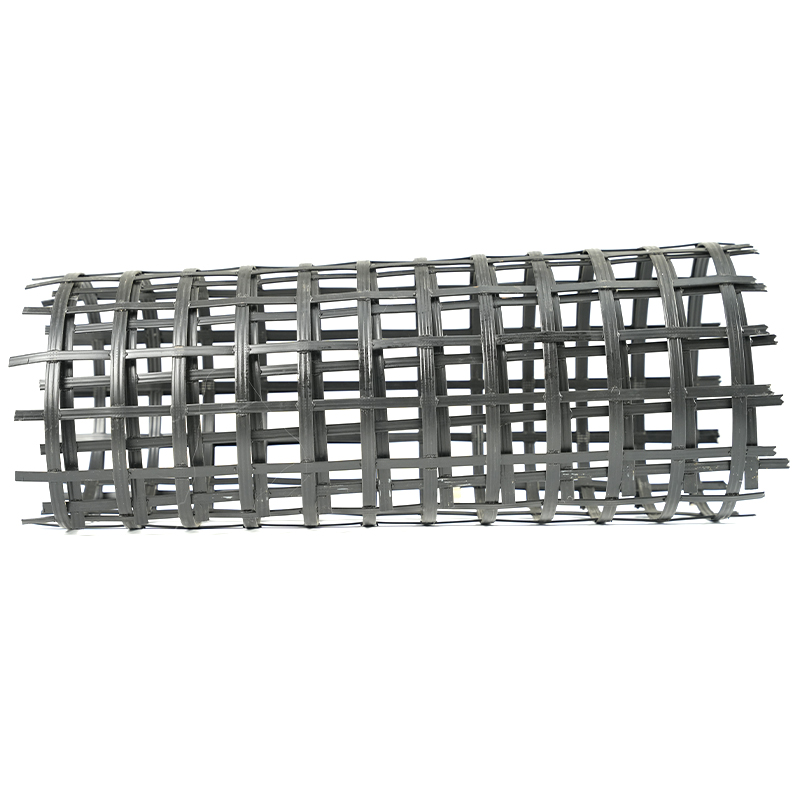
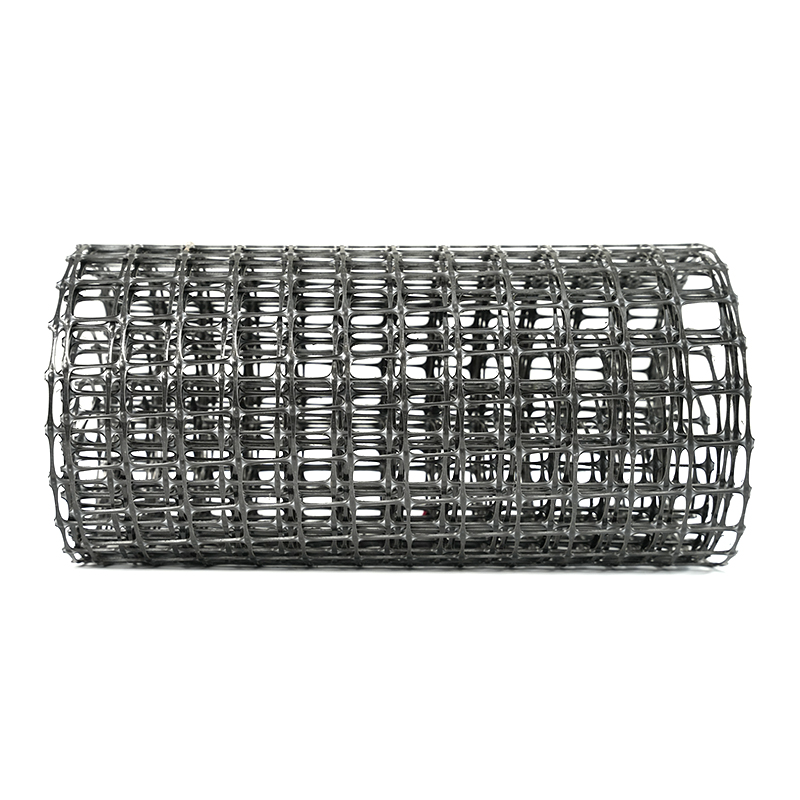
عندما نقود السيارة على طرق سريعة سلسة أو نسير عبر سدود مستقرة، نادرًا ما نفكر في "الهيكل العظمي" المختبئ تحت الأسفلت أو التربة. أحد العناصر الأكثر أهمية في الهندسة المدنية الحديثة هو الألياف الزجاجية جيوغريد . لكن السؤال الذي يطرح نفسه غالبًا بين مديري المشاريع والمهندسين والمراقبين الفضوليين: كيف يمكن لحزمة بسيطة من الألياف الزجاجية أن تتحول إلى شبكة عالية القوة ومقاومة للعوامل الجوية يمكنها تجميع مشاريع البنية التحتية الضخمة معًا؟
تكمن الإجابة في عملية مستمرة ومتطورة للغاية تُعرف باسم خط إنتاج لتغطيس الألياف الزجاجية (الألياف الكيماوية) Geogrid . تعتبر هذه العملية إحدى أعجوبة الهندسة الصناعية، حيث تضمن أن كل بوصة مربعة من الشبكة توفر أقصى قدر من التعزيز.
الرحلة من الخيط إلى القوة
لا يقتصر تصنيع الشبكة الجغرافية على النسيج فحسب؛ يتعلق الأمر بالكيمياء والتوتر الدقيق. لفهم جودة المنتج النهائي، نحتاج إلى السير عبر رحلة المادة أثناء انتقالها عبر المنشأة.
1. نقطة البداية: الفك الدقيق
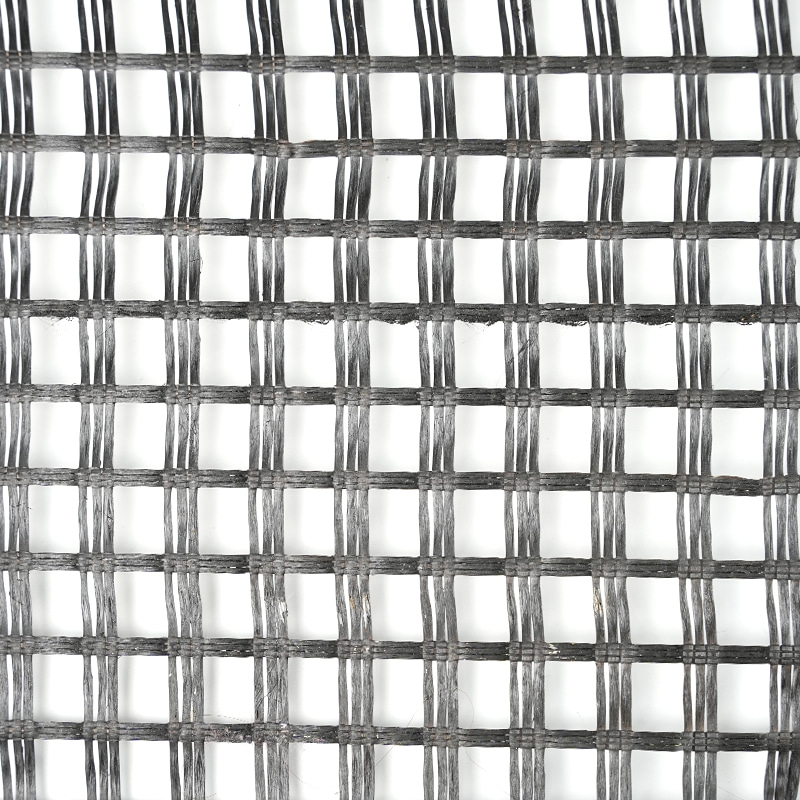
تبدأ العملية بالمادة الخام – الألياف الزجاجية المحبوكة. في بداية خط الإنتاج ، يتم وضع الشبكة الجغرافية المحبوكة في جهاز فك متخصص. هذه ليست مجرد بكرة بسيطة؛ إنه نظام عالي الدقة.
قبل إجراء أي عملية معالجة، يقوم الفنيون بضبط جهاز الفك ليتوافق بشكل مثالي مع مركز خط الإنتاج. إذا انحرفت المحاذاة بمقدار بضعة ملليمترات، فقد تنحرف اللفة بأكملها، مما يؤدي إلى طلاء غير متساوٍ أو ضعف هيكلي. تضمن هذه المرحلة أن "قاعدة" شبكتنا الجغرافية تدخل النظام بشكل مستقيم تمامًا.
2. رف التخزين: سر الجودة التي لا تتوقف
أحد أكبر التحديات في التصنيع الصناعي هو "وقت التوقف عن العمل". عندما تضطر إلى إيقاف الآلة لتحميل لفة جديدة من المواد، يمكن أن تتقلب درجة الحرارة في الأفران، ويمكن أن يستقر الغمس الكيميائي بشكل غير متساو.
لحل هذه المشكلة، يتم نقل الشبكة الجغرافية بواسطة جهاز الجر إلى رف تخزين . فكر في هذا على أنه "منطقة عازلة". إنها تحتوي على مواد إضافية بحيث أنه عند انتهاء لفة واحدة وربط أخرى، لا تضطر بقية الآلات الموجودة أسفل الخط إلى التوقف أبدًا. يعد هذا التدفق المستمر أمرًا حيويًا للحفاظ على جودة ثابتة عبر آلاف الأمتار من المنتج.
3. قلب العملية: الغمس والبثق
الألياف الزجاجية في حد ذاتها قوية ولكنها هشة. يحتاج إلى حماية ضد الرطوبة والأشعة فوق البنفسجية والبيئة القلوية للتربة والخرسانة. هذا هو المكان الذي يوجد فيه جزء "الغمس" من خط الإنتاج يأتي.
تدخل الشبكة إلى جهاز غمس مملوء بطبقة بوليمر متخصصة (غالبًا ما تكون من البيتومين أو PVC). يتم غمر الشبكة ومن ثم تمريرها من خلال عملية البثق. وهذا يضمن أن كل ألياف مغلفة بالكامل وأن يتم التخلص من المواد الكيميائية الزائدة. يعمل هذا الطلاء بمثابة "درع" للألياف الزجاجية، مما يمنحها المتانة اللازمة لتستمر لعقود تحت الأرض.
علم الشكل: التجفيف والإعداد
بمجرد طلاء الشبكة الجغرافية، تصبح رطبة ومرنة. لكي تصبح الشبكة صلبة وعالية القوة المستخدمة في البناء، يجب أن تخضع لعملية تجفيف و"إعداد" صارمة.
التجفيف المسبق: إعداد الطلاء
تدخل الشبكة الرطبة أولاً إلى فرن التجفيف المسبق. تعمل مرحلة الحرارة الأولية هذه على تثبيت الطلاء الكيميائي بحيث لا يتساقط أو يتدلى خلال المرحلة التالية الأكثر كثافة. إنه توازن دقيق - فالكثير من الحرارة بسرعة كبيرة يمكن أن يتسبب في ظهور فقاعات في الطلاء؛ قليل جدًا، ولن يتم ضبطه بشكل صحيح.
فرن Stenter: حل مشكلة "القوس".
ربما يكون هذا هو الجزء الأكثر إثارة للإعجاب في التكنولوجيا. بعد التجفيف المسبق، يقوم ناقل التوتر اللاحق بسحب الشبكة إلى داخل Stenter الصور النمطية الفرن .
في طرق التصنيع القديمة، غالبًا ما يؤدي الشد الناتج عن السحب عبر الآلة إلى اعوجاج الشبكة، مما يؤدي إلى ما يسميه المهندسون تأثير "ما قبل القوس" أو "ما بعد القوس". وهذا يعني أن الخطوط الأفقية والعمودية للشبكة سوف تنحني، مما يقلل بشكل كبير من قدرتها على التحمل.
الحديث خط الإنتاج يحل هذه المشكلة باستخدام المشابك المستقلة على جانبي السكة. تمسك هذه المشابك بحواف الشبكة الجغرافية وتسحبها بدقة مبرمجة. ولأنها تعمل بشكل مستقل، يمكنها ضبط التوتر في الوقت الفعلي. النتيجة؟ تظل اتجاهات خطوط الطول والعرض للمنتج في خطوط مستقيمة تمامًا. عندما يضع المهندس هذه الشبكة في موقع العمل، يمكنه أن يثق في أن الشكل الهندسي مثالي، مما يضمن توزيع وزن الطريق تمامًا كما تم تصميمه.
مراقبة الجودة النهائية والتعبئة والتغليف
حتى بعد تجفيف الشبكة وضبطها، فإن العملية لم تنته بعد. ينتقل إلى رف تخزين ثانٍ في نهاية السطر.
لماذا رف التخزين الثاني؟
تمامًا مثل الرف الأول، يعمل هذا الرف كمخزن مؤقت. عندما يصل المنتج إلى طول محدد ومطلوب (على سبيل المثال، 50 أو 100 متر)، يحتاج النظام إلى قطع المادة وبدء لفة جديدة. بدون رف التخزين هذا، يجب أن يتوقف نظام الفرن بأكمله في كل مرة يتم فيها الانتهاء من اللفة. بدلاً من ذلك، يقوم الرف بتجميع المنتج النهائي لبضع لحظات، مما يسمح بفترة زمنية محددة القطع التلقائي والانتقال السلس إلى اللفة التالية.
المتداول والتعبئة
وأخيرًا، يتم لف المنتج بإحكام، ووضع علامة عليه، وتعبئته. وهذا يمثل الانتهاء من عملية الغمس. إن ما بدأ كألياف محبوكة بيضاء ناعمة، ظهر كمكون صناعي أسود (أو مطلي)، جامد وعالي القوة وجاهز لتعزيز البنية التحتية في العالم.
أسئلة متكررة حول إنتاج Geogrid
ولمساعدتك على فهم سبب أهمية طريقة الإنتاج المحددة هذه بشكل أفضل، قمنا بجمع بعض الأسئلة الأكثر شيوعًا من المتخصصين في هذا المجال.
س: ما أهمية "الإنتاج المستمر"؟ ج: في الغمس الكيميائي، الاتساق هو الملك. إذا توقف الخط، فقد يجف جزء الشبكة الموجود حاليًا في الفرن أو يصبح هشًا. باستخدام رفوف التخزين، و خط الإنتاج يضمن أن كل متر من الشبكة الجغرافية يواجه نفس درجة الحرارة ووقت الغمس.
س: هل الطلاء مهم حقًا إلى هذا الحد؟ ج: بالتأكيد. تعتبر الألياف الزجاجية قوية بشكل لا يصدق من حيث قوة الشد، ولكنها يمكن أن تتضرر بسبب التآكل الناتج عن الصخور أو التفاعلات الكيميائية في التربة. تضمن عملية الغمس إبعاد الألياف عن هذه العناصر، مما يحافظ على قوتها على المدى الطويل.
س: ماذا يحدث إذا لم تكن الشبكة "مستقيمة"؟ ج: إذا كانت خطوط الطول ودوائر العرض مقوسة (منحنية)، فلن تتمكن الشبكة من "التقاط" التربة أو الأسفلت بشكل صحيح. إنه مثل محاولة استخدام شريط مطاطي ممدود بالفعل. يضمن نظام القضبان المستقل في الفرن الدعامي أن تكون الشبكة "حقيقية"، مما يوفر أقصى قدر من التعزيز لحظة تركيبها.
العمود الفقري للبناء الحديث
ال خط الإنتاج for Dipping of Fiberglass Geogrid يمثل تقاطع علوم النسيج والهندسة الكيميائية. ومن خلال الانتقال من نسيج بسيط إلى شبكة مغلفة ومتوترة ومجففة بدقة، يصبح المصنعون قادرين على توفير منتج ينقذ الأرواح من خلال جعل الطرق أكثر أماناً وتوفير المال من خلال جعل البنية التحتية تدوم لفترة أطول.
في المرة القادمة التي ترى فيها طاقم بناء يضع شبكة داكنة قبل صب الأسفلت، ستعرف الرحلة المعقدة التي قطعتها هذه المواد - بدءًا من الفك الدقيق وحتى الأفران ذات التقنية العالية - وكل ذلك لضمان بقاء عالمنا على أرض صلبة.