English
 中文简体
中文简体 русский

محتوى
- 1 ما هي الشبكة الجغرافية الشد أحادية المحور؟
- 2 ذوبان وقذف
- 3 من السائل إلى اللوحة (مرحلة التشكيل)
- 4 التبريد والتشطيب
- 5 اللكم الدقيق
- 6 الخطوة 5: سحر إعادة التسخين
- 7 مرحلة التمدد (التوجيه).
- 8 الإكمال ومراقبة الجودة
- 9 لماذا هذه العملية تغير قواعد اللعبة في مجال البناء
- 10 ال Future of the Production Line
في عالم الهندسة المدنية الحديثة وتطوير البنية التحتية، هناك أبطال مخفيون يحافظون على طرقاتنا من التصدع، وجسورنا من التحرك، ومنحدراتنا من الانزلاق. ومن أهم المواد في هذا المجال شبكة جغرافية أحادية المحور . في حين أنها قد تبدو وكأنها شبكة بلاستيكية بسيطة للعين غير المدربة، إلا أن عملية إنشائها هي أعجوبة هندسية دقيقة.
اليوم، نحن نلقي نظرة متعمقة على خط إنتاج الشبكة الجغرافية ذات الشد أحادي المحور ، واستكشاف كيفية تحويل الكريات البلاستيكية الخام إلى مواد تقوية عالية القوة تحدد متانة البناء في القرن الحادي والعشرين.
ما هي الشبكة الجغرافية الشد أحادية المحور؟
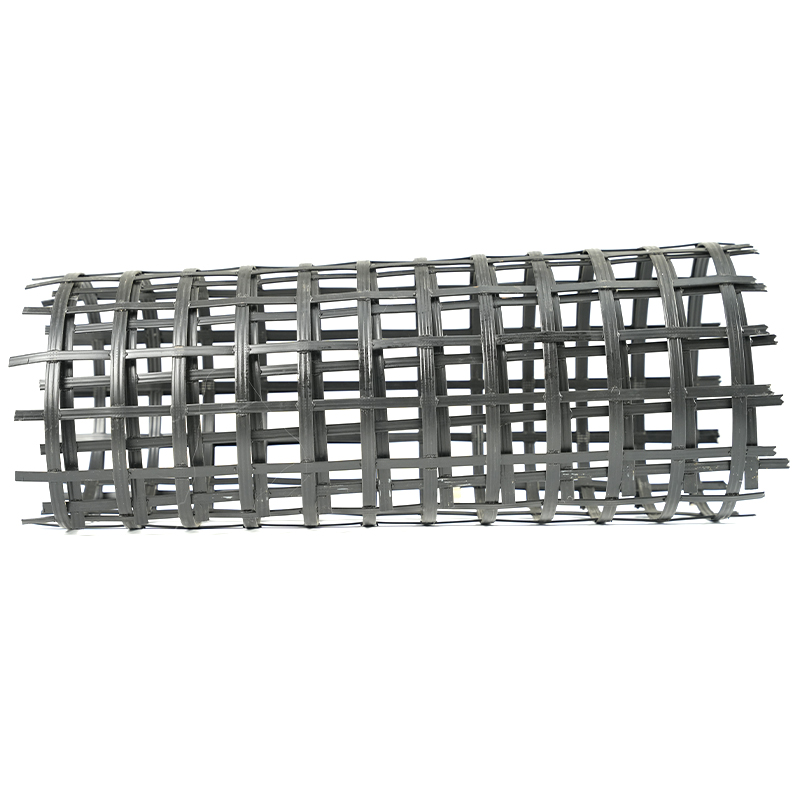
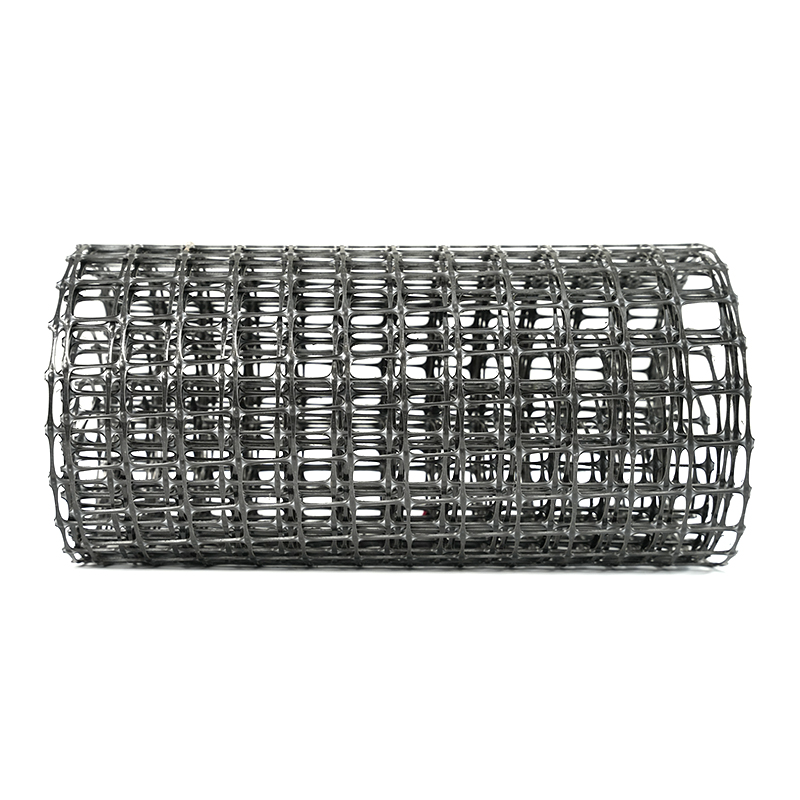
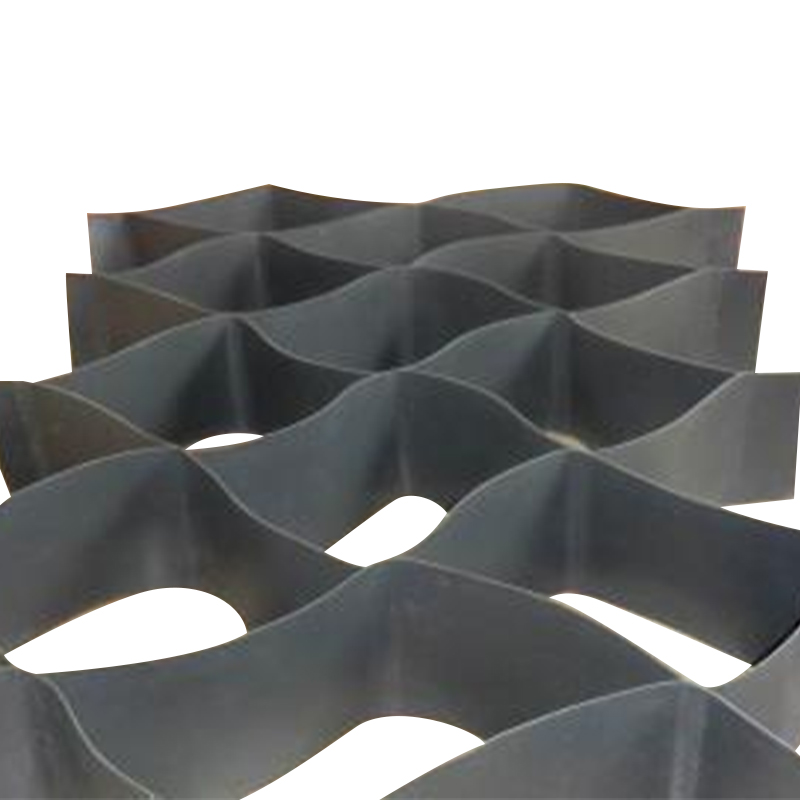
قبل الغوص في الآلات، من المهم أن نفهم ما نصنعه. الشبكة الجغرافية هي مادة صناعية جغرافية تستخدم لتعزيز التربة والمواد المماثلة. تم تصميم الشبكة "أحادية المحور" لتكون قوية في اتجاه واحد محدد. وهذا يجعلها مثالية للجدران الاستنادية، والمنحدرات الشديدة، وتعزيزات السدود حيث يأتي الضغط الأساسي من زاوية واحدة.
لتحقيق هذه القوة المذهلة، يجب أن يخضع البلاستيك لرحلة تصنيع صارمة.
ذوبان وقذف
تبدأ الرحلة عند الطارد . تبدأ المادة الخام الأولية - عادة البولي إيثيلين عالي الكثافة (HDPE) أو البولي بروبيلين (PP) - على شكل كريات صغيرة صلبة من الراتنج. يتم تغذية هذه الكريات في قادوس كبير.
داخل الطارد، يدور برغي ضخم، ويدفع الكريات عبر برميل ساخن. يؤدي الجمع بين الاحتكاك والتسخين الكهربائي المتحكم به إلى إذابة البلاستيك وتحويله إلى سائل سميك منصهر. تعتمد جودة الشبكة الجغرافية النهائية بشكل كبير على هذه المرحلة؛ يجب أن تكون درجة الحرارة مثالية لضمان أن سلاسل البوليمر جاهزة للتحول المقبل.
من السائل إلى اللوحة (مرحلة التشكيل)
بمجرد ذوبان البلاستيك، يتم دفعه عبر أ قالب لوحة . فكر في هذا مثل آلة المعكرونة العملاقة. يقوم القالب بتشكيل البلاستيك السائل إلى لوح مسطح متواصل.
عندما تظهر الورقة، فإنها تمر عبر أ نظام ثلاثي الأسطوانة . تخدم هذه الأسطوانات غرضين:
-
الاتساق: إنها تضمن أن تكون الورقة ذات سماكة موحدة عبر عرضها بالكامل.
-
جودة السطح: إنهم يقومون بتنعيم المادة وإعدادها للتغييرات الهيكلية التي على وشك الخضوع لها.
التبريد والتشطيب
البلاستيك الساخن غير مستقر. "لتأمين" أبعاد الورقة، يتم إدخالها على الفور في ملف خزان مياه التبريد .
تُعرف هذه الخطوة باسم "الإنهاء". من خلال خفض درجة الحرارة بسرعة، يتحول البلاستيك من حالة ناعمة ومرنة إلى لوحة صلبة ومتينة. هذه اللوحة هي "اللوحة الفارغة" التي سيتم نحت الشبكة الجغرافية منها.
اللكم الدقيق
هذا هو المكان الذي تبدأ فيه المادة في الظهور بشكل أقل كقطعة من البلاستيك وأكثر كأداة هيكلية. يتم نقل اللوحة المبردة إلى دقة عالية اضغط على اللكم .
تقوم سلسلة من القوالب الصناعية بإحداث نمط محسوب من الثقوب في الصفائح الصلبة. في هذه المرحلة، تبدو الثقوب على شكل دوائر أو أشكال بيضاوية بسيطة، ولا تزال المادة سميكة وصلبة نسبيًا. ومع ذلك، فإن التباعد بين هذه الثقوب أمر بالغ الأهمية؛ فهي تحدد بالضبط كيف ستمتد الشبكة في المرحلة التالية.
الخطوة 5: سحر إعادة التسخين
قد تتساءل لماذا نقوم بتبريد البلاستيك ثم تسخينه مرة أخرى. الجواب يكمن في العلوم الجزيئية. لإنشاء شبكة جغرافية أحادية المحور نحن بحاجة إلى محاذاة سلاسل البوليمر لمنحها "قوة الشد" - القدرة على مقاومة التمزق.
يتم نقل اللوحة المثقوبة بواسطة حزام ناقل إلى لوحة طويلة متخصصة فرن . يتم تنظيم درجة الحرارة هنا بعناية لتليين البلاستيك دون ذوبانه. وهذا يجعل المادة "مرنة" بما يكفي للتلاعب بها دون أن تنقطع.
مرحلة التمدد (التوجيه).
هذا هو الجزء الأكثر أهمية في خط إنتاج الشبكة الجغرافية ذات الشد أحادي المحور . بمجرد أن تخرج اللوحة الساخنة المثقوبة من الفرن، فإنها تدخل إلى الفرن أجهزة التمدد .
في الإنتاج أحادي المحور، تقوم الآلة بسحب الورقة في اتجاه طولي واحد. مع تمدد المادة، تبدأ الثقوب الصغيرة التي تم ثقبها مسبقًا في الاستطالة، وتتحول إلى مستطيلات طويلة ونحيلة أو "أضلاع".
لماذا تمتد المسائل
عندما يتم سحب البلاستيك، تضطر سلاسل البوليمر العشوائية المجهرية إلى المحاذاة في خط مستقيم. هذه العملية تسمى التوجه الجزيئي يزيد من قوة البلاستيك بشكل كبير. ما بدأ كصفيحة مرنة أصبح ضلعًا عالي القوة يمكنه دعم أطنان من ضغط التربة.
الإكمال ومراقبة الجودة
بمجرد اكتمال التمدد، وصلت شبكة الشد أحادية المحور إلى شكلها النهائي. إنها الآن شبكة تقوية عالية الأداء. لكن المهمة لم تنته بعد.
يخضع المنتج النهائي لعدة خطوات نهائية:
-
القياس: تقوم المستشعرات بفحص العرض والسمك وقوة الضلع للتأكد من أنها تلبي المعايير الهندسية الدولية.
-
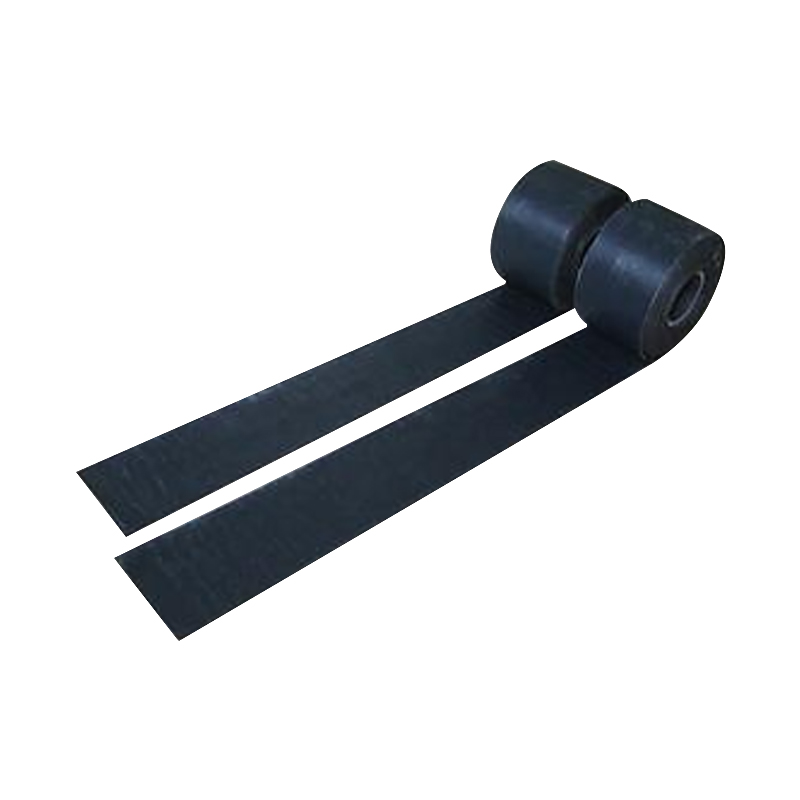
المتداول: يتم لف الصفيحة المستمرة الطويلة من الشبكة الجغرافية على قلب صناعي كبير.
-
التعبئة: يتم تغليف اللفات بمادة واقية لمنع أضرار الأشعة فوق البنفسجية أو التآكل الجسدي أثناء النقل.
لماذا هذه العملية تغير قواعد اللعبة في مجال البناء
ال خط إنتاج الشبكة الجغرافية ذات الشد أحادي المحور يمثل تحولا نحو بناء أكثر استدامة وكفاءة. وباستخدام هذه الشبكات، يستطيع المهندسون:
-
تقليل هدر المواد: فبدلاً من استخدام كميات هائلة من الخرسانة أو الفولاذ، يمكنهم استخدام الشبكات الجغرافية لتثبيت الأرض نفسها.
-
زيادة طول العمر: الطرق المبنية بتعزيزات الشبكة الجغرافية تدوم لفترة أطول بكثير وتكون أقل عرضة "للحفر" أو الغرق.
-
صديقة للبيئة: يمكن الحصول على العديد من المواد الخام المستخدمة في عملية البثق من البلاستيك المعاد تدويره، مما يقلل من البصمة الكربونية لمشاريع البنية التحتية الكبرى.
ال Future of the Production Line
ومع تقدم التكنولوجيا، أصبحت خطوط الإنتاج هذه أكثر آلية. تستخدم الخطوط الحديثة التصوير الحراري المعتمد على الذكاء الاصطناعي لمراقبة درجة حرارة الفرن وأنظمة التثقيب الموجهة بالليزر لضمان عدم وجود ملليمتر واحد من الخطأ.
ال demand for these materials is skyrocketing. As cities expand and the need for more resilient transport networks grows, the خط إنتاج الشبكة الجغرافية ذات الشد أحادي المحور سيبقى في قلب عالم التصنيع، ليحول البلاستيك البسيط إلى العمود الفقري لعالمنا الحديث.
بدءًا من الحبيبة الأولى من الراتينج في جهاز البثق وحتى اللفة النهائية التي يتم تحميلها على الشاحنة، فإن كل خطوة في هذه العملية هي شهادة على قوة التصميم الصناعي. إنه تدفق سلس للتدفئة والتبريد واللكم والتمدد، وهو رقصة مثالية بين الآلة والمواد.
ال next time you drive through a mountain pass or walk along a reinforced riverbank, remember the complex journey of the geogrid beneath your feet. It started in a high-heat extruder, was precisely punched by a heavy press, and was stretched to its limit to ensure your safety and the stability of the ground.
ال خط إنتاج الشبكة الجغرافية ذات الشد أحادي المحور هي أكثر من مجرد سلسلة من الآلات؛ إنها مسقط رأس السلامة الهيكلية الحديثة.